
CC BY Texas State Library and Archive Commission: CC BY: https://www.flickr.com/photos/tslac/38049099024 , CC BY-NC-SA Mikel Agirregabiria https://www.flickr.com/photos/agirregabiria/25838338405, CC BY-NC-ND mbeo: https://www.flickr.com/photos/mbeo52/22400777882
What are Robots?
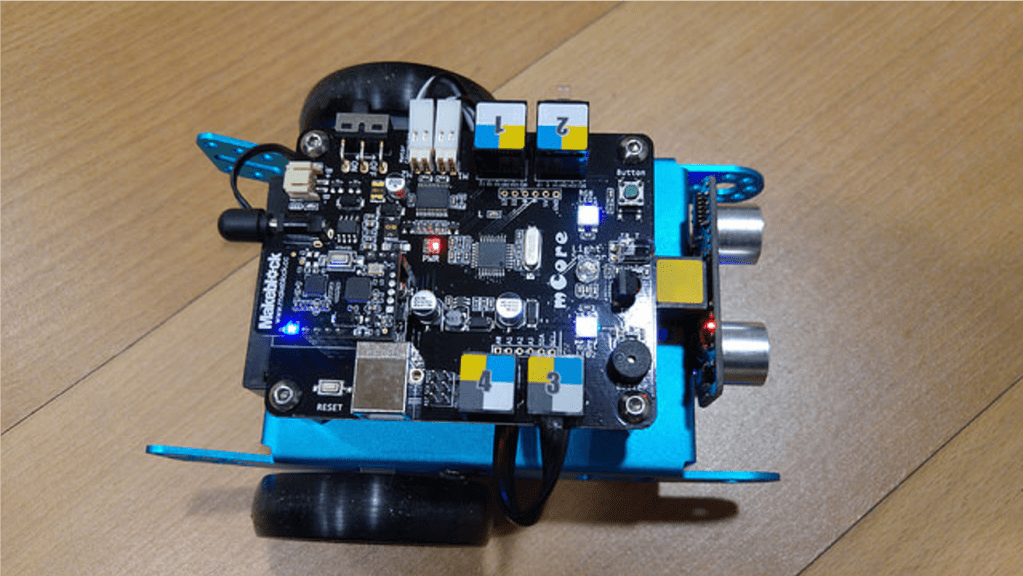
A robot is a physically embodied artificial intelligence agent that can be programmed by a computer to impact open the physical world. A Robot can execute tasks autonomously or automatically through coding. Robots may be constructed to take on human form, although, most robots are machines created to perform a task. Observe the graph below which explains the balance robots being human-like and the likeability of this realness.

Educational use
Robotics is becoming increasingly common within the classroom compared to recent years due to many educational outcomes. The application of robotics in schools is due to students graduating into a society thriving of technology, an era where robotics will be used in everyday life (Study International Staff, 2019). With the increase of robotics in education, many schools can now afford cheaper alternatives. We were shown an example of this when comparing the well know ‘Bee-Bot’ ($150) to a mouse alternative ($50), both have very similar functions.
Robotics in an education setting prove to be efficient when teaching STEM through real-world application. The use of robots has the potential to improve communication skills, collaboration, problem-solving, teamwork, creative thinking and metacognitive thinking (Jung & Won, 2018). Research has also shown that when robots are used in class, participation increases, as does motivation and overall engagement (Kim et al., 2015). I have seen Bee-Bots used in a class setting, the level of engagement and communication is unbelievable.
There are issues that can arise with integrating robotics in the classroom. Schools may have insufficient access to equipment and teachers may lack confidence to integrate robotics in the classroom. It may also be time consuming and teachers could be unsure as to how integrating robots can meet educational outcomes.
Blue-Bots
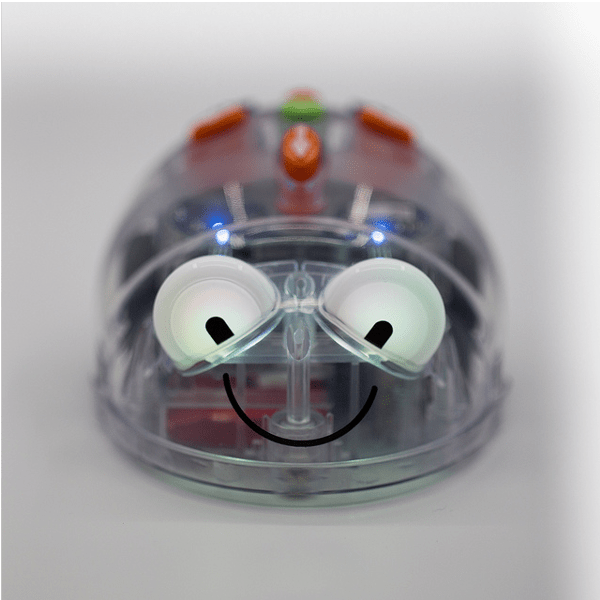
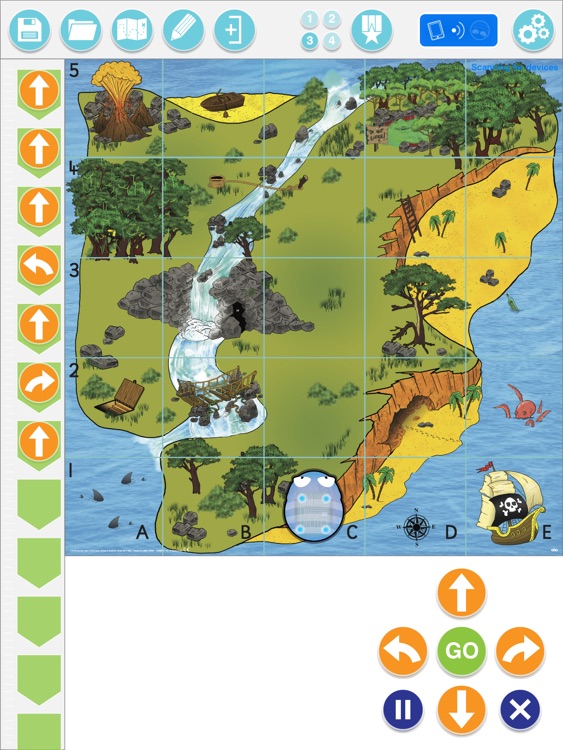
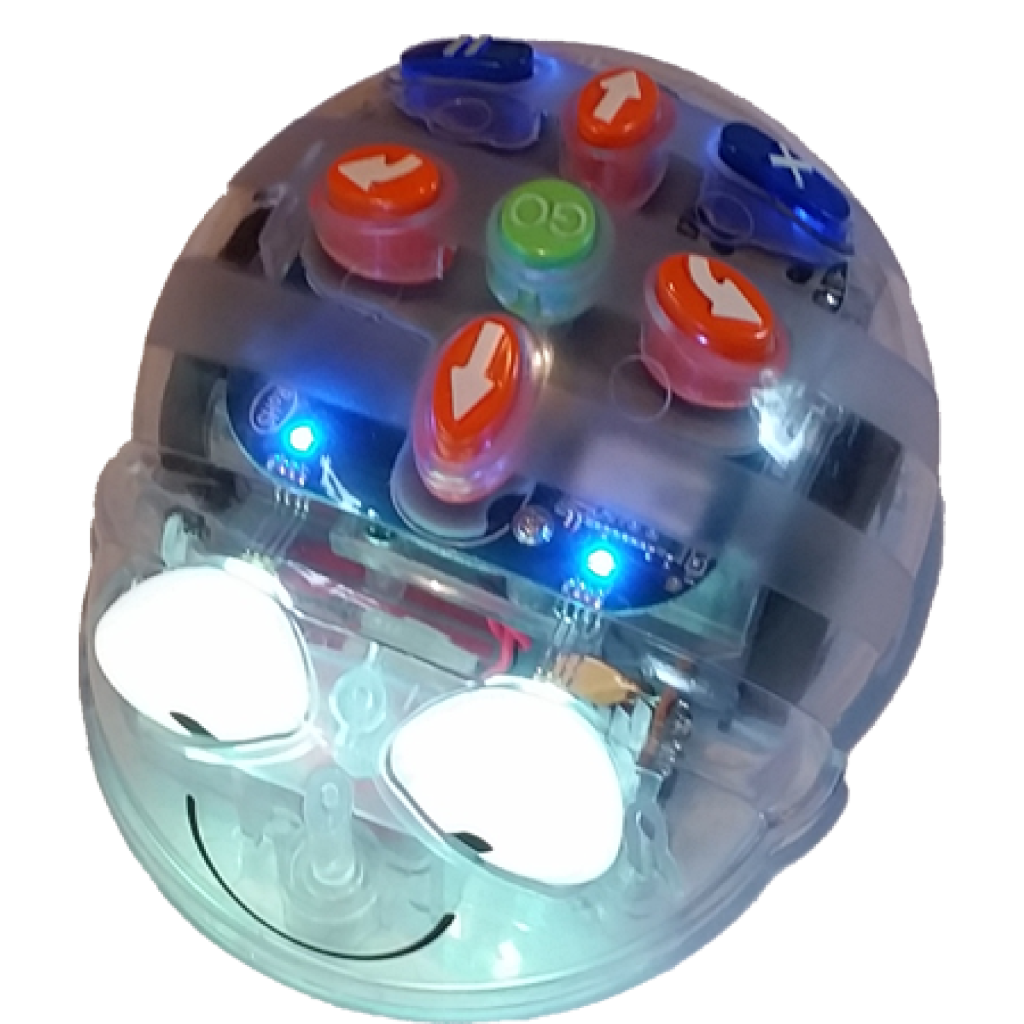
Similar to Bee-Bots, Blue-bots are a programming floor robot. Children must use a computational thinking process to determine the instructions needed before pressing ‘go’ to get to the desired area. Blue-bot has a Bluetooth chip, this allows individuals to program and control the Blue-Bot with a device. Blue-bot also has an App runs the same purpose just without the physical robot. Children may have difficulty interpreting the way the robot will be facing and the required direction needed. This will encourage problem-solving and peer-communication.
References
Jung, S., & Won, E. S. (2018). Systematic review of research trends in robotics education for young children. Sustainability, 10(4), 905.
Kim, C., Kim, D., Yuan, J., Hill, R. B., Doshi, P., & Thai, C. N. (2015). Robotics to promote elementary education pre-service teachers’ STEM engagement, learning, and teaching. Computers & Education, 91, 14-31.
 EDUC3620
2 replies on “Robotics”
Hi Austyn,
I found this article very informative as an introduction to robotics and the technology. I think it is great that you displayed a price point for the technology, as it truly shows how affordable robotics is becoming. I think you provided a range of advantages and disadvantages but I think readers would benefit from an example of how the technology could be integrated into the classroom. Great work otherwise!
LikeLike
Hey Austyn,
I found your post on robotics to be extremely interesting, especially your insight on other cognitive domains robotics can improve. I agree that it is important to introduce children to robots at a young age, and I think the technology you chose is fantastic for that. I’d be interested on hearing your recommendations for fostering robotic knowledge in older students!
Thank you!
LikeLike