
What is Computational Thinking
Computational thinking (CT) is the term used to describe how students develop computational solutions for a given problem (Shute et al., 2017). There has been a large increase of CT in K-12 classrooms over the years due to it allowing individuals to develop abstract thinking, problem-solving, pattern recognition and reasoning (Angeli & Giannakos, 2020). Due to these outcomes, coding and CT have become an integral part of the school curricula. Many countries are pushing for coding to be integrated as a new literacy as it supports creative problem-solving. Although the use of CT programs in schools has increased, it is important that the program actually teaches encoding skills as many don’t (Shute et al., 2017).
Micro:bit


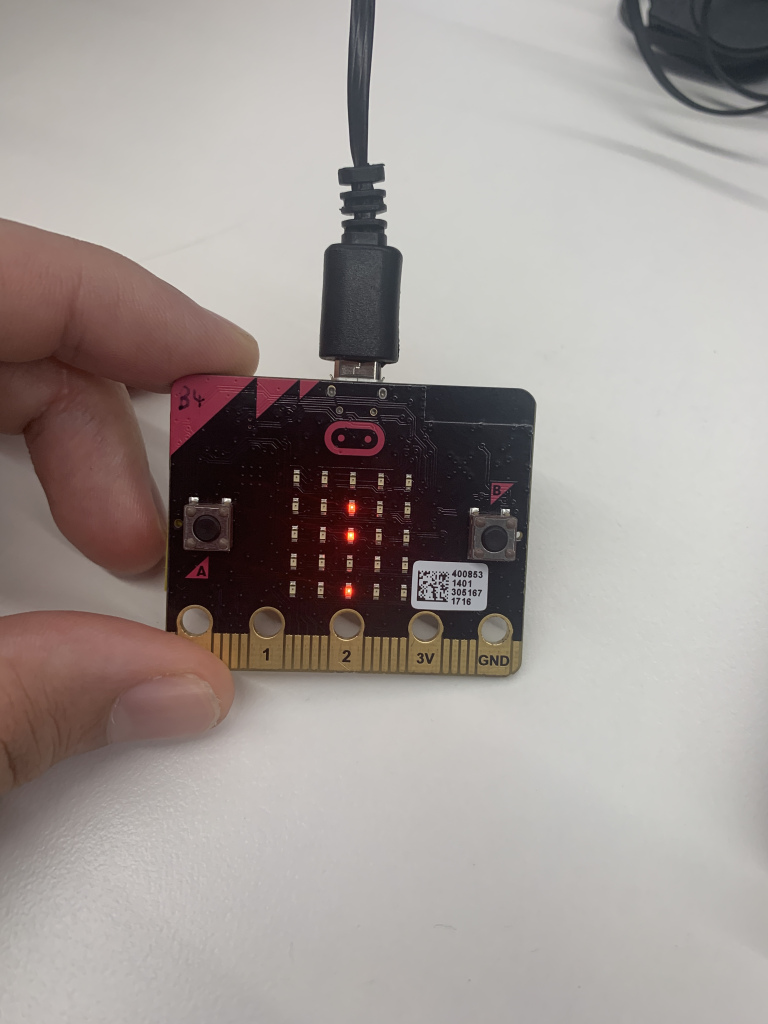
Micro:bit is a computational thinking device used throughout the tutorial to provide individuals with a hands-on experience. Micro:bit has 25 LED lights that enable messages and games to be displayed through coding programs. The Micro:bit is a diverse tool that can be used in the STEM curriculum, whether this is for coding or computer science class. Micro: bit can be used individually or paired with Scratch or Arduino kit to make tasks more challenging.This tool has the ability to switch chips between block coding and JavaScript. The Micro: bit is for any skills level.
I personally have no knowledge on coding and found this tool fun and engaging. The tool allows for differientiation, due to the complex coding for the more experineced individuals. The diverseness of the tool is amazing, from LED lights flashing to loud sounds, to the A and B buttons turning the tool into a game controller. The website is also very straight forwards, however, I have found many people having issues connecting to the micro: bit via Bluetooth.
References
Angeli, C., & Giannakos, M. (2020). Computational thinking education: Issues and challenges. Computers In Human Behavior, 105, 106185. https://doi.org/10.1016/j.chb.2019.106185
Shute, V., Sun, C., & Asbell-Clarke, J. (2017). Demystifying computational thinking. Educational Research Review, 22, 142-158. https://doi.org/10.1016/j.edurev.2017.09.003
 EDUC3620
2 replies on “Computational Thinking”
Hi Austyn, I liked your blog as you made it clear why coding and computational thinking are such important skills we need to be learning and teaching to our students. I also have limited knowledge about coding so its good to see your perspective on the digital tech and how you managed to navigate it with limited skill or instruction. Microbit seems like a good program to introduce coding and computational thinking concepts to students so thankyou for your insightful take on the tech!
LikeLike
Hi Austyn,
A great review of how important Micro:bit is to developing computational thinking in the classroom. I agree that this is an emerging technology that should be featured in more classrooms all around the world, especially as we move into this digital age. Your link to hoe Micro:bit can be used to address STEM skills are particularly useful insight to this technology. I think it’s important to mention that teachers must be educated in using this technology before the class is presented with it. Overall, a fantastic read and look forward to reading your next posts.
Thank you.
LikeLike