
Retrieved from: https://thewirecutter.com/reviews/best-3d-pen/
3 Dimensional Pens
Creativity in the classroom
A learning environment frequently benefits from new developments of technology, as technology can enhance creativity and sustain an active learning environment. Examples of the technology that has brought about educational change over time, include projectors in the 1930s, photocopiers and videotapes in the 1950s and computers in the 1980s (Dousey & Weible, 2019). It is significantly important that technology is used to create information as opposed to consuming information, as this allows children to take control of their learning (Jonassen et al. 1994). When technology is used correctly, it has the potential to foster creativity (Edwards, 2011).
What are they?
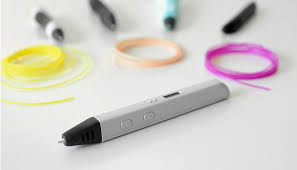
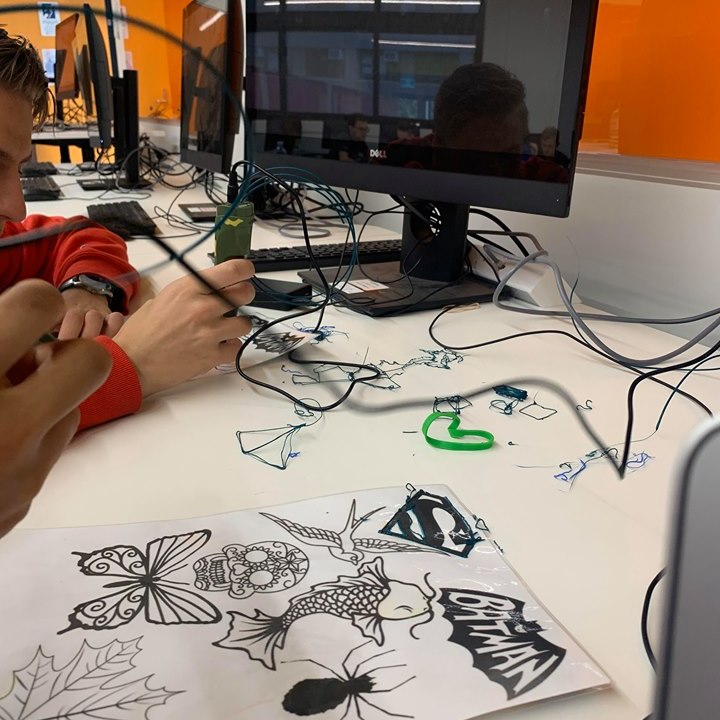
Three-dimensional pens are an emerging tool, used within the classroom to design and create anything the user desires. The pen works as a manual operating 3D printer that dispenses heated plastic form the tip and cools down to create solid lines of plastic. The cooling of the plastic allows students to draw a significant amount of shapes and items, on both a two-dimensional surface and three-dimensional space.
A three-dimensional pen is a tool that can expand an individual’s understanding of a topic and nurture creativity. The pen can be integrated into a variety of subjects. An example would be in maths, students can use the three-dimensional pen to draw geometric designs and create their very own shape. de Souza Flieth (2000) states that students will respond strongly for opportunities to develop creativity, such as maths activates, science exploration and writing labs. Students will respond better to hands-on activities and projects that integrate academic subjects (de Souza Fleith 2000, p. 150).
Final Thoughts
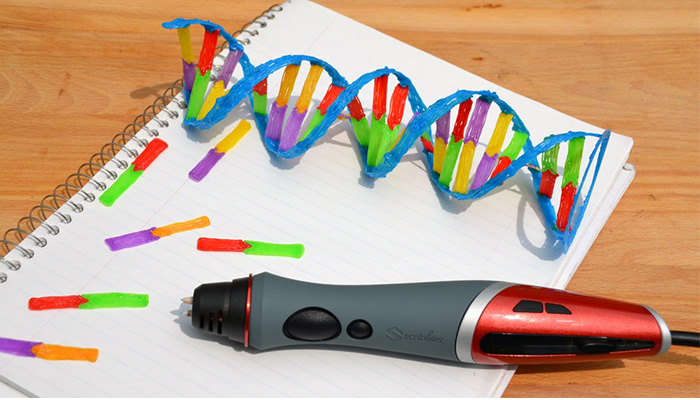
The three-dimensional pen that was used within the week 2 tutorial offers the potential for a creative and new way of learning. In terms of practicality, the tool would take some time to get used to. Although once mastered, the opportunities would be endless, from constructing DNA strands in science to constructive buildings in history.
In terms of affordability, the majority of schools wouldn’t have the luxury of having a three-dimensional printer at their disposal. The three-dimensional pen, however, offers students a similar experience to the printer, however at a much more affordable option.
References
de Souza Fleith, D. (2000). Teacher and student perceptions of creativity in the classroom environment. Roeper Review, 22(3), 148–153. https://doi.org/10.1080/02783190009554022
Dousay, T., & Weible, J. (2019). Build-A-Bug Workshop: Designing a Learning Experience with Emerging Technology to Foster Creativity. Techtrends, 63(1), 41-52. https://doi.org/10.1007/s11528-018-0364-8
Edwards, S. M. (2001). The technology paradox: efficiency versus crea- tivity. Creativity Research Journal, 13(2), 221–228. https://doi.org/ 10.1207/S15326934CRJ1302_9.
Jonassen, D. H., Campbell, J. P., & Davidson, M. E. (1994). Learning with media: restructuring the debate. Educational Technology Research and Development, 42(2), 31–39. https://doi.org/10.1007/ BF02299089.
 EDUC3620
5 replies on “Task 1: 3D Pens Critique”
Hi Austin,
I like how you gave a history of the first technologies we saw in a teaching setting and how they have progressed into what we see today. I definitely agree that when used correctly, technology is a excellent tool to foster creativity. The 3D pen is a great learning technology as it can be introduced into a variety of KLAs and I like how you have included an example of using it in maths. The comparison of a 3D printer to the 3D pen makes the pen stand out as a great option to be introduced into schools.
LikeLike
Hi Austyn,
Thank you for this post on 3D pens, it was really interesting to read.
I specifically like your point about “technology is used to create information as opposed to consuming information”, as it encourages students to take control of their learning. I think this is a very important aspect to implement in the classroom to foster creativity.
I also thought the way you suggested to use the 3D pen in the classroom was a creative approach, especially using it in a science class, rather than just for art and craft experiences. I also think the hands on aspect of this tool will encourage student engagement.
LikeLike
Hi Austyn,
Great post, I like your little snapshot of technology in classrooms and the idea that technology should be used to create and not consume. The 3D pen is a great technology to engage students and really foster learning-by-doing, creating a more tactile and immersive experience across disciplines. However, I don’t think the experience of using a 3D pen is as comparable to that of a 3D printer. Much more digital literacy is needed to use a printer, in particular using the various CAD programs and is a less tactile experience.
LikeLike
Hi Austyn,
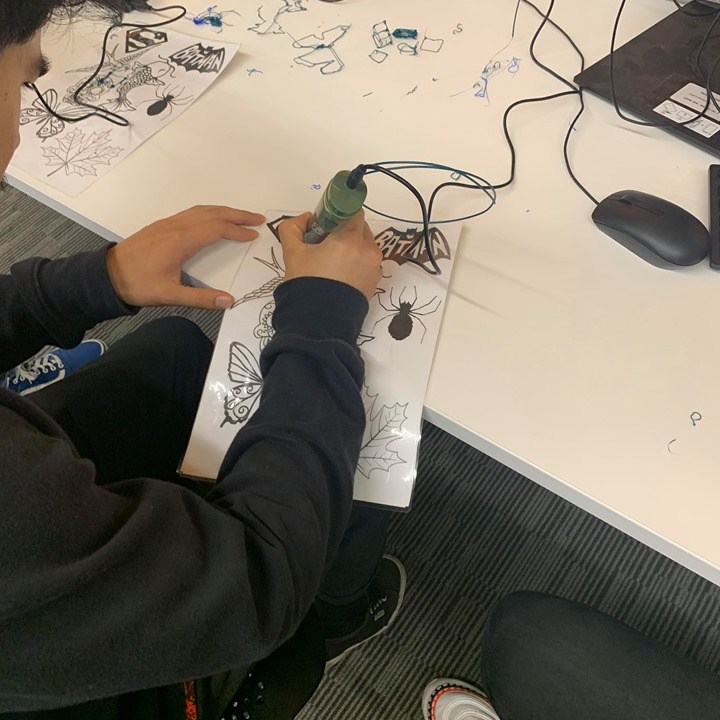
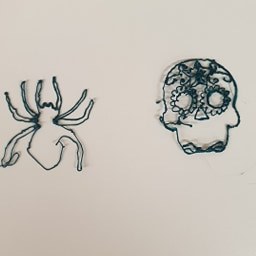
I liked your post on how 3D pens can be a creative tool in the classroom. I like how you branched out from art and moved into math and science, and how a 3D pen will allow students to create a variety of shapes that can assist their learning. I also like how you have added visual aids of students works using templates and their final products.
Furthermore, I also enjoyed your introduction to technology and how it should be used to create a positive creative environment in the classroom.
LikeLike
Hi Austyn,
Thanks for the insight into using 3D pens for creativity for different subjects in the classroom.
I like how you discovered different ways in which you can use the pens for mathematics like making 2 & 3-Dimensional shapes which will be interesting to see how students will respond to this in future teaching practice.
From the post i learnt that this emerging technology can help engage the students on the subjects that you may be teaching as one of the quotes mentioned that “students respond better to hands on activities.”
Its interesting when you mentioned the tool could get time to get used to, which makes me think if the tool would maybe be useful for later stages of primary school rather than es1/s1 as there would be way to many concepts for them to learn how to use it.
LikeLike